The Hatchback vs. SUV Debate Is Over. Here’s Who Should Buy Each
Car buyers often follow trends instead of their daily routines, picking an SUV for its perceived practicality or a hatchback for style—only to regret the choice when it clashes with their lifestyle. The debate between hatchbacks and SUVs isn’t about which is "better"; it’s about which aligns with how you actually live: your commute, your family size, your parking situation, and your daily tasks. By matching two common life stages to real-world car data, we uncover why most people get this choice wrong—and how to pick a car that fits your life, not just your Instagram feed.
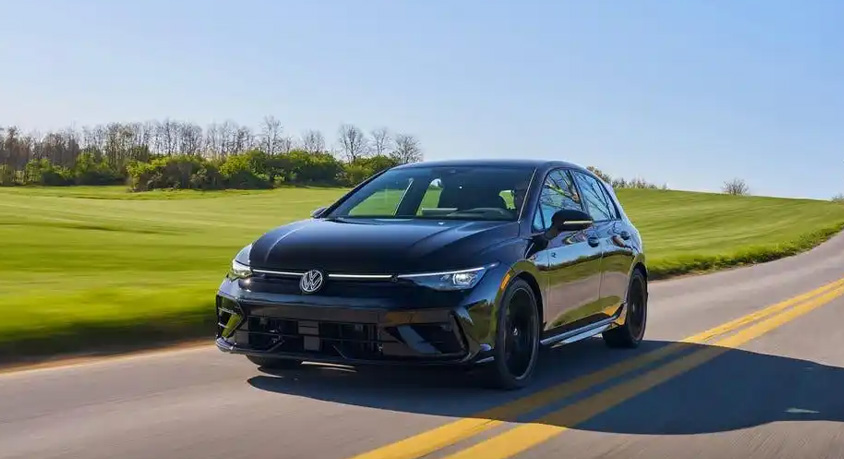
For urban single professionals, the choice between a Volkswagen Golf (hatchback) and Nissan Rogue Sport (SUV) boils down to parking ease and efficiency. The Golf measures 168.9 inches long with a 34.8-foot turning circle, slipping into tight city parking spots and narrow alleyways that leave the Rogue Sport (173.4 inches long, 36.1-foot turning circle) struggling. Real-world fuel economy reinforces the Golf’s advantage: 30 MPG city/38 MPG highway vs. the Rogue Sport’s 28/34 MPG, saving $150-$200 annually on gas for a 10-mile daily commute. The Golf’s compact size doesn’t sacrifice comfort—its 93.5 cubic feet of passenger space matches the Rogue Sport’s 92.9 cubic feet—while its lower center of gravity makes it more fun to drive on winding city roads. For singles who prioritize easy parking, lower fuel costs, and maneuverability, the hatchback wins hands down; the SUV’s extra height offers no real benefit in city life.
For new families, the Honda Civic Hatchback vs. Honda CR-V (SUV) comparison hinges on child-centric practicality. The CR-V’s 39.3 cubic feet of rear cargo space swallows a full-size stroller, diaper bag, and grocery bags with room to spare, while the Civic Hatchback’s 24.5 cubic feet forces parents to fold the rear seats for the same load. Installing child safety seats is simpler in the CR-V: its LATCH system anchors are easily accessible (no reaching between tight seat gaps), and its extra rear legroom (41.3 inches vs. the Civic’s 37.4 inches) lets parents adjust seats without squeezing. The CR-V’s higher ride height also makes lifting a baby into a car seat easier on backs—a small but daily relief for caregivers. The Civic Hatchback, while fuel-efficient (33/42 MPG vs. CR-V’s 28/34 MPG), lacks the family-friendly space that matters most for trips to the pediatrician or weekend outings. For growing families, the SUV’s practicality isn’t a trend—it’s a necessity.
The core mistake buyers make is prioritizing features over function: an SUV’s higher seating position won’t help if you can’t park it on your street, and a hatchback’s sleek design won’t fix its inability to fit your family’s gear. Think of choosing a car like choosing shoes: a stylish sneaker works for city walks, but a supportive boot is better for hiking—neither is superior, but each fits a specific purpose. Modern hatchbacks like the Golf or Civic offer surprising cargo flexibility (fold-down rear seats expand space to 53.7 and 46.2 cubic feet, respectively), while smaller SUVs like the Rogue Sport or CR-V maintain fuel efficiency that closes the gap with hatchbacks.
The verdict is simple: for urban singles or couples without kids, a hatchback delivers better maneuverability, lower costs, and enough space for daily use. For families with young children or frequent gear-heavy outings, an SUV’s extra space and ease of use justify the slightly higher fuel costs and larger size. Most people choose based on what they think they need, not what they use daily—avoiding that mistake means looking at your calendar, not car commercials. The right car isn’t the trendiest one; it’s the one that disappears into your routine, making life easier instead of more complicated.
latest news

- Dec,28,2025
- What If the Loudest Thing About a 155 mph Car Was Your Heartbeat?
- Automobile
- Most drivers accept road noise as an unavoidable side effect of speed—wind howling past mirror...
- Dec,24,2025
- Why the Hot Hatch (Still) Humiliates the Hot SUV
- Automobile
- The performance car market is trapped in a misperception: that taller ride heights and SUV badging c...
- Dec,22,2025
- Most People Think EVs Are Greener—But RAV4 Hybrid vs. ID.3 Truth Shocks
- Automobile
- Eco-conscious car buyers often default to electric vehicles (EVs) as the "greener" choice, assuming ...
- Dec,20,2025
- It’s Not a Hatchback. It’s Not an SUV. It’s Better.
- Automobile
- Family car buyers are trapped in a false dichotomy: choose a hatchback for nimble handling and fuel ...