How Sedans, Hatches, and Crossovers are Evolving with EV Tech
The automotive revolution isn’t just about swapping gasoline for batteries—it’s about reimagining how cars are built, shaped, and tailored to human life. For decades, sedans, hatchbacks, and crossovers competed within the constraints of internal combustion engines, but electric vehicle technology has torn up that rulebook. It’s not merely a powertrain shift; it’s a structural reset that amplifies each body style’s strengths while erasing old weaknesses. To understand the future of driving, we must examine how EV platforms are reshaping these familiar designs, creating vehicles that are more efficient, spacious, and aligned with modern needs than their fuel-powered predecessors.
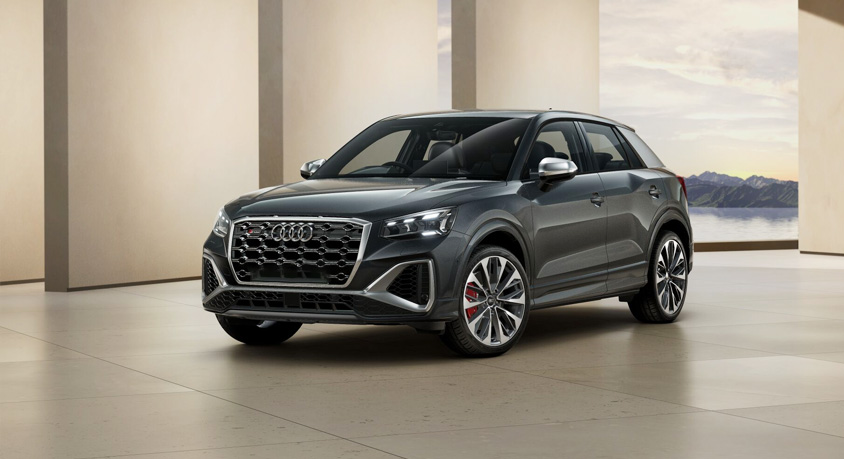
Crossovers have emerged as the early winners of the EV era, and their success lies in a happy marriage of form and function. EVs rely on flat, skateboard-like battery packs that span the length of the chassis, naturally raising the vehicle’s floor by 3-5 inches— a change that would feel awkward in a low-slung sedan but fits seamlessly with the crossover’s elevated profile. This alignment has turned crossovers into EV bestsellers: the Tesla Model Y, a crossover, outsold every other electric vehicle globally in 2023, moving over 770,000 units, while the Ford Mustang Mach-E and Hyundai Ioniq 5 collectively accounted for 15% of U.S. EV sales. Crossovers’ inherent versatility shines brighter with electric power: their taller roofs and flexible cargo areas (now unencumbered by gas tanks or drive shafts) offer 10-15% more usable space than comparable fuel crossovers, with the Ioniq 5 delivering 30.2 cubic feet of cargo room behind the rear seats. The battery pack’s weight acts as a low-slung anchor, mitigating the crossover’s traditional top-heaviness and improving handling—turning what was once a compromise into a strength. For families and adventure seekers, electric crossovers are the ultimate Swiss Army knife: they combine the utility of an SUV with the smooth, quiet drive of an EV, all while avoiding the efficiency penalties that plagued gas-powered crossovers.
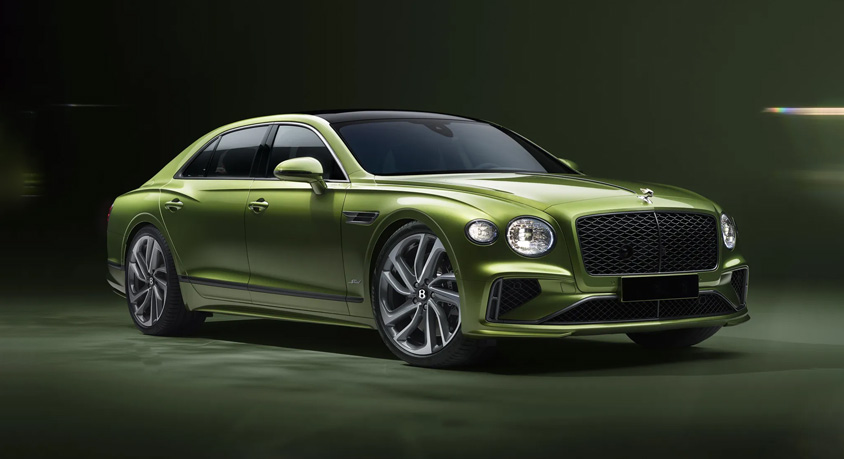
Sedans, long celebrated for elegance and efficiency, are being reborn as aerodynamic masterpieces in the EV age. Freed from the need to accommodate engines and transmission tunnels, electric sedans stretch their wheelbases by 5-8 inches without increasing overall length, turning compact footprints into surprisingly spacious cabins. The Hyundai Ioniq 6, a prime example, boasts a wheelbase longer than the gas-powered Sonata but a shorter overall length, delivering 42.3 inches of rear legroom—more than many luxury sedans. EV sedans’ greatest advantage, however, is aerodynamics: their sleek, closed-off front ends (no need for engine air intake) and smooth underbodies cut through the air like arrows. The Ioniq 6 achieves a drag coefficient of just 0.21, lower than any production sedan in history, while the Tesla Model 3 hits 0.23. This efficiency translates to real-world range: the Ioniq 6 travels 361 miles on a single charge, outperforming most electric crossovers by 50-80 miles. Sedans are also doubling down on driving refinement: the low-mounted battery pack lowers their center of gravity even further than gas models, creating a planted, responsive feel that crossovers can’t match. For commuters and driving purists, electric sedans are evolving from “sensible” to “desirable”—proving that elegance and efficiency can coexist with cutting-edge tech.
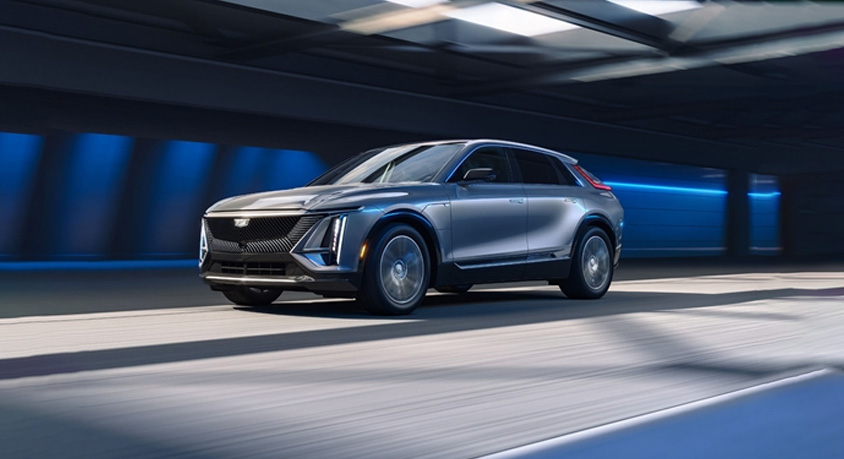
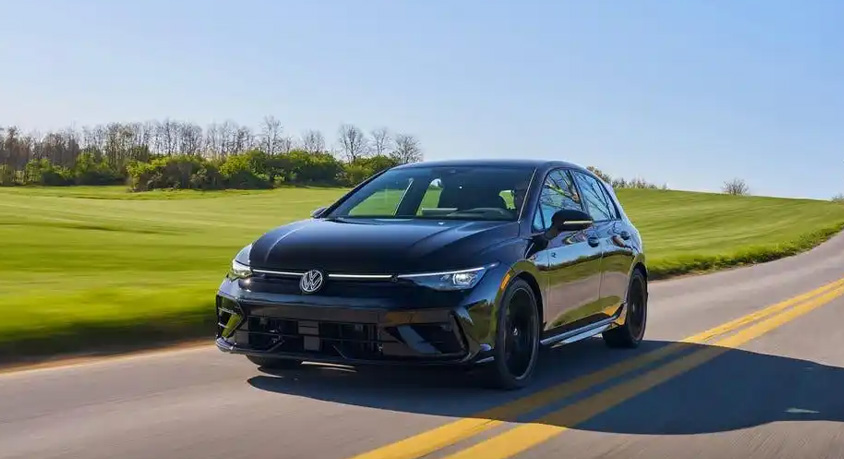
Hatchbacks, long the unsung heroes of urban mobility, are finding new life as the perfect EV companions for city dwellers. Their compact dimensions (typically 4.2 meters or less) pair seamlessly with electric powertrains, creating vehicles that are agile, efficient, and affordable. The Volkswagen ID.3 and MG4 EV have become sensations in Europe, where narrow streets and high fuel costs favor small, practical cars—together, they captured 8% of Western Europe’s EV market in 2023. EV technology erases the hatchback’s old compromises: the skateboard battery pack eliminates the intrusive rear wheel well humps of gas models, creating a flat cargo floor that swallows 15-20% more gear than traditional hatchbacks. The MG4 EV offers 21.7 cubic feet of cargo space with seats up, expanding to 53.3 cubic feet when folded—enough for groceries, luggage, or even a small bicycle. Electric hatches also deliver zippy performance: the MG4 XPower packs 429 horsepower, hitting 60 mph in 3.8 seconds, proving that small doesn’t mean slow. For urbanites who value maneuverability, affordability, and sustainability, electric hatchbacks are more than a niche—they’re a glimpse of how cities will move in the future, blending fun and practicality in a package that fits where larger EVs can’t.
EV technology is also rewriting the rules of automotive design, creating a visual language that’s as functional as it is futuristic. Gone are the large grilles that defined gas-powered cars; electric vehicles feature closed-off front fascias (called “grille-less” or “blank” designs) that reduce drag and house sensors for advanced driver-assist systems. Interiors have shifted from cluttered dashboards to minimalist cockpits: the Tesla Model 3’s 15-inch central touchscreen, the Mercedes-Benz EQE’s 56-inch Hyperscreen, and the ID.3’s compact digital instrument cluster prioritize simplicity and connectivity. Space is reimagined too: the “skateboard” battery pack acts like a LEGO base, letting designers stretch wheelbases, shrink front overhangs, and create “frunk” (front trunk) storage—adding 5-10 cubic feet of usable space that was wasted on engine bays in gas cars. These changes aren’t just aesthetic; they’re functional, turning vehicles into more efficient, user-friendly spaces that feel less like machines and more like extensions of home.
The question of which body style will dominate the EV future isn’t about picking a winner—it’s about recognizing that electric technology has made each design more capable of serving specific needs. Crossovers will remain the go-to for families and adventure seekers, their versatility amplified by EV efficiency. Sedans will thrive for commuters and luxury buyers, their aerodynamic superiority and driving refinement setting them apart. Hatchbacks will own urban markets, their compact agility and affordability making them the logical choice for city life. What unites them is EV tech’s ability to turn tradeoffs into strengths: crossovers are no longer gas guzzlers, sedans are no longer cramped, and hatchbacks are no longer underpowered.
The future of driving isn’t about one body style conquering all—it’s about vehicles that adapt to us, not the other way around. EV platforms have given sedans, hatchbacks, and crossovers a fresh start, letting them evolve beyond the limitations of the past. As battery technology improves, charging networks expand, and designs grow more bold, the choice won’t be about which is “best”—but which aligns with how you live, work, and explore. Will you prioritize urban agility (hatchback), long-distance efficiency (sedan), or all-purpose utility (crossover)? The answer will define your perfect electric vehicle—and the future of driving will be richer for having all three options.
latest news

- Dec,28,2025
- What If the Loudest Thing About a 155 mph Car Was Your Heartbeat?
- Automobile
- Most drivers accept road noise as an unavoidable side effect of speed—wind howling past mirror...
- Dec,26,2025
- The Hatchback vs. SUV Debate Is Over. Here’s Who Should Buy Each
- Automobile
- Car buyers often follow trends instead of their daily routines, picking an SUV for its perceived pra...
- Dec,24,2025
- Why the Hot Hatch (Still) Humiliates the Hot SUV
- Automobile
- The performance car market is trapped in a misperception: that taller ride heights and SUV badging c...
- Dec,22,2025
- Most People Think EVs Are Greener—But RAV4 Hybrid vs. ID.3 Truth Shocks
- Automobile
- Eco-conscious car buyers often default to electric vehicles (EVs) as the "greener" choice, assuming ...