Hatchback Logic vs Crossover Emotion: Which One Actually Wins?
Buying a car is never just about transportation—it’s a negotiation between what we need and what we crave. For years, two body styles have dominated this negotiation: the hatchback, a paragon of practicality that speaks to reason, and the crossover, a rising star that tugs at the heartstrings. The debate often gets framed as “sensible vs. exciting,” but digging deeper reveals a clash of core values—efficiency versus aspiration, agility versus presence. To truly weigh them, we must move beyond surface-level stereotypes and examine the data that defines their real-world performance, alongside the emotions that shape their appeal.
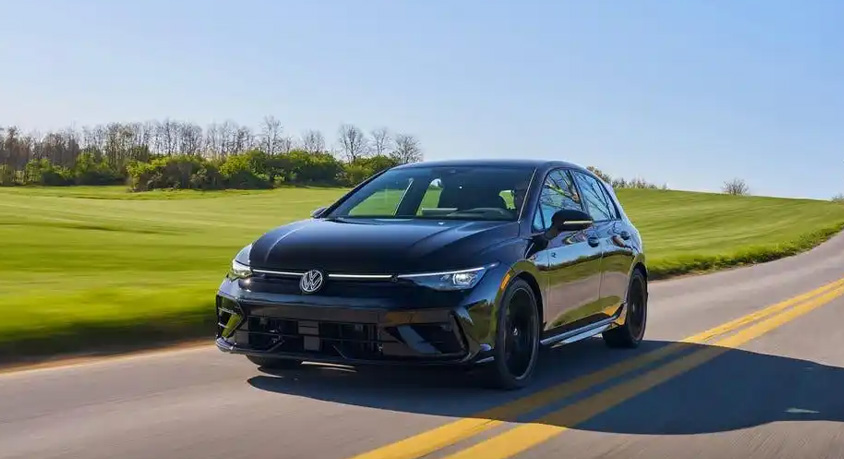
Hatchbacks stand as the embodiment of rational decision-making, with every design choice rooted in cost and utility. Upfront, they deliver tangible savings: a comparable hatchback and crossover from the same manufacturer can differ by thousands of dollars, with examples showing hatchbacks priced nearly 20% lower than their taller counterparts. Fuel efficiency amplifies this advantage—models like the Toyota Corolla Hatchback achieve a combined 35 mpg, outperforming its crossover sibling by 3 mpg, while hybrid hatchbacks can reach nearly 60 mpg in real-world driving. Lower insurance premiums and taxes follow, as their smaller size and lighter weight translate to reduced risk and regulatory costs. Behind the wheel, hatchbacks transform efficiency into enjoyment: their lower center of gravity acts like a dancer’s balanced stance, clinging to corners with more composure than the taller, top-heavy crossovers. Many come standard with sport modes that sharpen throttle response, turning daily commutes into moments of connection between driver and machine—what enthusiasts call “car and driver as one.” In cities, this agility becomes a superpower: hatchbacks boast turning radii as tight as 5.2 meters, sliding into parallel parking spots and navigating narrow side streets that leave crossovers awkwardly maneuvering for space.
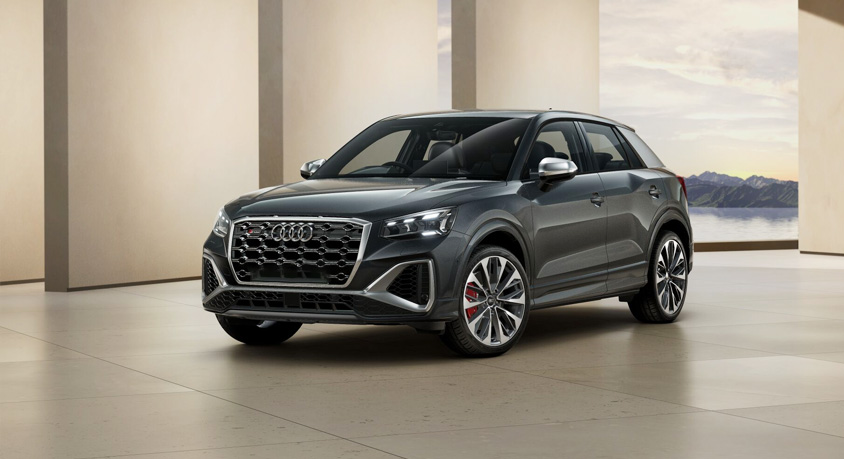
Crossovers, by contrast, thrive on emotional resonance, turning intangibles into compelling selling points. The first thing drivers notice is the “commander’s seat”—a raised position that offers a panoramic view of the road, fostering a sense of control that feels like standing on a gentle hill rather than walking on flat ground. This isn’t just about visibility; it’s about psychological safety, a subtle comfort that eases the stress of crowded highways or unfamiliar roads. Practicality meets emotion in their spacious interiors: models like the Mazda CX-5 offer up to 59.3 cubic feet of total cargo space, with vertical height that accommodates bulky items—think IKEA wardrobes, camping gear, or strollers—without folding seats endlessly. Rear passengers enjoy more headroom and legroom, making family trips feel less cramped and more leisurely. Beyond utility, crossovers sell a lifestyle: their rugged styling, roof rails, and higher ground clearance whisper promises of weekend adventures, even if most never venture beyond paved roads. They’re not just cars—they’re symbols of openness, of being ready for whatever comes next, and that aspirational pull is hard to quantify but impossible to ignore.
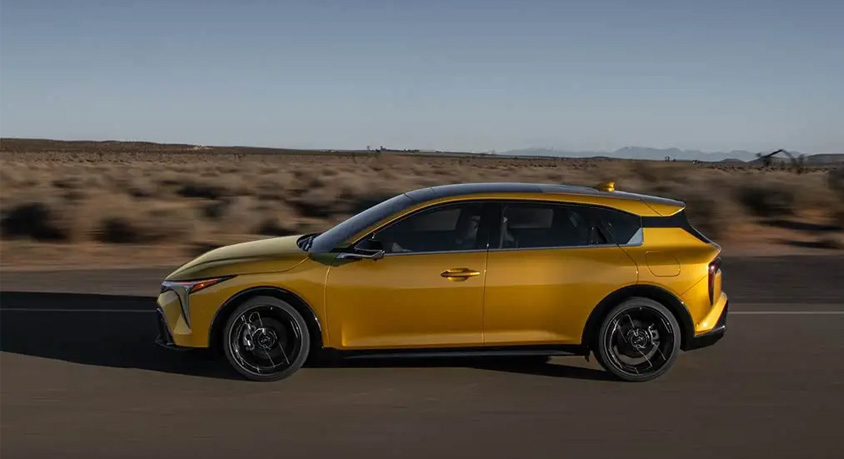
Hatchbacks extend their cost advantage into long-term ownership, with maintenance and repair costs that stay consistent with their efficient ethos. Routine oil changes for hatchbacks like the Honda Civic Hatchback often cost $300 or less, while crossovers with similar engines can run $50 to $100 more per service. Over five years, this gap widens: SUVs and crossovers have 30% higher suspension component replacement rates than hatchbacks, thanks to their heavier weight straining shocks and struts, and their larger, more complex underbodies mean higher labor costs for repairs. Fuel savings compound too—driving 20,000 miles annually, a hatchback getting 35 mpg will save nearly $2,000 over five years compared to a crossover getting 30 mpg, assuming a $3.50 per gallon average. These aren’t trivial numbers; they’re the steady drip of savings that rewards rational choices day after day.
Crossovers, however, justify their higher costs with real-world versatility that shines in unexpected moments. Their elevated ground clearance—typically 8.7 to 9.4 inches, compared to a hatchback’s 5 to 6 inches—acts as insurance against rough roads, deep snow, or unexpected potholes. In regions with harsh winters, this extra height, paired with available all-wheel drive, lets crossovers plow through snowbanks that leave hatchbacks stuck, while advanced traction control systems adjust power distribution in 0.1 seconds to maintain grip on icy surfaces. Even for city dwellers, that extra cargo height proves invaluable for hauling large items like bicycles, furniture, or pet crates without disassembling them, turning a quick errand into a hassle-free task. For families or anyone whose life involves more than just commuting, this adaptability isn’t a luxury—it’s a practical solution that turns emotional appeal into tangible convenience.
What makes this debate fascinating is that neither side “wins” in absolute terms; the victor depends on the invisible math of individual life. Hatchbacks excel for those who spend most days navigating urban grids, value every dollar saved on fuel and insurance, and find joy in the act of driving itself. Crossovers shine for those who prioritize space for family or hobbies, seek the comfort of a higher vantage point, and want their car to reflect a sense of adventure. The data provides the guardrails—we know the mpg differences, the price gaps, the turning radii—but the final decision lies in the unmeasurable: how we use our cars, how they make us feel, and what we value most when we turn the key.
So instead of asking which is better, ask yourself: What does my daily life actually look like? Do I spend more time squeezing into city parking spots or hauling gear for weekend getaways? Is the thrill of a tight corner worth more than the peace of mind from extra cargo space? The answer won’t be found in spec sheets alone—it will emerge from an honest reckoning with how you live, and what you need your car to be.
latest news

- Dec,28,2025
- What If the Loudest Thing About a 155 mph Car Was Your Heartbeat?
- Automobile
- Most drivers accept road noise as an unavoidable side effect of speed—wind howling past mirror...
- Dec,26,2025
- The Hatchback vs. SUV Debate Is Over. Here’s Who Should Buy Each
- Automobile
- Car buyers often follow trends instead of their daily routines, picking an SUV for its perceived pra...
- Dec,24,2025
- Why the Hot Hatch (Still) Humiliates the Hot SUV
- Automobile
- The performance car market is trapped in a misperception: that taller ride heights and SUV badging c...
- Dec,22,2025
- Most People Think EVs Are Greener—But RAV4 Hybrid vs. ID.3 Truth Shocks
- Automobile
- Eco-conscious car buyers often default to electric vehicles (EVs) as the "greener" choice, assuming ...